PRP Hair Restoration (Men)

PRP Hair Restoration for Men at Lumea Med Spa in Miami

Thinning hair can feel frustrating, especially when you still feel young and energetic.

What Is PRP Hair Restoration for Men?

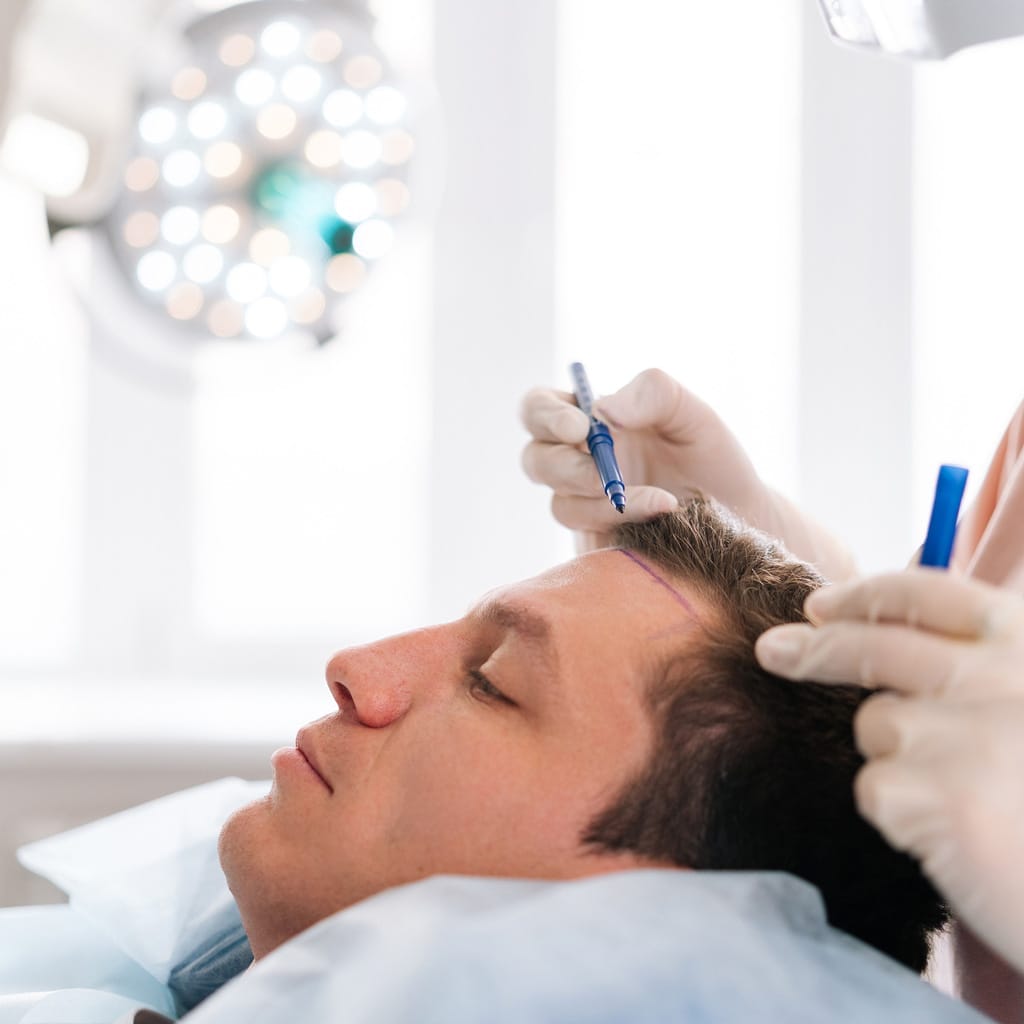
Platelet-Rich Plasma (PRP) hair restoration uses platelets from your own blood to stimulate weaker hair follicles. Platelets contain growth factors that support tissue repair and regeneration. When we inject concentrated PRP into thinning areas of the scalp, those growth factors help:

  • Prolong the growth phase of hair
  • Improve blood flow to hair follicles
  • Strengthen existing hairs
  • Encourage dormant follicles to re-enter active growth

Because we use your own plasma, PRP is biocompatible and does not introduce foreign substances. This makes it an appealing choice for men who want to avoid surgical transplants or harsh medications.

How PRP Works on the Scalp

The process can be broken down into three steps:

Numbers_1 (1)

Blood draw

We draw a small amount of blood, similar to standard lab work.

Numbers_2

Separation

We place the blood in a medical centrifuge, which spins it to separate platelets and plasma from red and white blood cells. The resulting PRP contains a much higher concentration of platelets than normal blood.

Numbers_3

Scalp injections

We inject PRP into targeted thinning areas of your scalp. These precise injections deliver growth factors directly to struggling hair follicles. Over time, follicles become stronger and produce thicker, healthier strands.

Who Is a Good Candidate for PRP Hair Restoration?

PRP hair restoration works best for men who are in the early to moderate stages of hair thinning. It is not a cure for complete baldness, but it can improve coverage and density where follicles are still present.

You may be a strong candidate if you:

  • Notice a receding hairline, thinning at the crown, or overall shedding
  • Have androgenetic alopecia (male pattern baldness)
  • Prefer a non-surgical option with minimal downtime
  • Want gradual, natural-looking improvement rather than a dramatic overnight change
  • Are in generally good health without uncontrolled medical conditions

We also see good results when men start PRP earlier in their hair loss journey. The more active follicles we can support, the better the outcome.

At Lumea Med Spa in Miami, we start with a thorough consultation to evaluate your scalp, review your health history, and discuss realistic expectations. Sometimes we combine PRP with at-home hair support like medical-grade topicals or supplements to maximize results.

What Results to Expect and When

Common milestones we see:

1–2 months

Reduced shedding for many men, scalp may feel healthier

3–4 months

Early signs of thicker strands and improved texture

6 months

Noticeable improvement in density for most consistent patients

9–12 months

Full cosmetic benefit, especially when combined with good hair care and maintenance

We often share a story with new patients about a man in his early 40s who came to us worried about camera angles at work events. He committed to the full PRP series and maintenance. Around month four he noticed less scalp showing in photos. By month nine, his barber commented that his hair felt thicker around the crown. That kind of gradual, natural change is exactly what we aim for.

Treatment Timeline: When Will You See Results?

PRP hair restoration delivers gradual improvement. Hair grows in cycles, so it takes time for follicles to respond and produce visible change.

A typical plan includes:

  • Initial series: 3–4 sessions spaced about 4–6 weeks apart
  • Maintenance: 1–2 sessions per year, depending on response and goals

PRP vs Hair Transplant vs Medications

Men often ask how PRP compares to other hair restoration options. Each approach has its place, but the benefits differ.

PRP vs Hair Transplant

Hair transplant surgery physically relocates follicles from the back or sides of the head to thinner areas. It can create significant change but comes with downtime, scarring risk, and higher cost.

PRP benefits:

  • Non-surgical, no incisions
  • Minimal downtime
  • Uses your own plasma
  • Enhances existing follicles instead of moving hair

Many hair transplant surgeons now use PRP to support transplant results, which underscores how valuable PRP has become in hair restoration.

PRP vs Oral and Topical Medications

Medications like finasteride (oral) and minoxidil (topical) are common treatments for male pattern hair loss. They can be effective, but not every man wants daily medication or potential systemic side effects.

PRP can be a strong option for men who:

  • Prefer fewer systemic medications
  • Want to complement existing treatments
  • Have seen limited response from topicals alone

Sometimes, the best results come from a combined strategy. During your consultation at Lumea Med Spa, we can discuss what makes sense for your situation.

Benefits of PRP Hair Restoration for Men

Men often choose PRP because it strikes the right balance between efficacy, safety, and convenience. Key advantages include:

  • Natural approach using your own plasma
  • No surgery or incisions
  • Minimal downtime; back to regular activities same day
  • Gradual, subtle improvement that does not look “done”
  • Can be combined with other hair treatments
  • Suitable for a wide range of skin and hair types

For many of our male patients, one of the biggest benefits is psychological. Regaining hair density often translates into more confidence at work, socially, and even in simple daily moments like looking in the mirror or taking photos.

Safety, Side Effects, and Risks

PRP hair restoration is generally well-tolerated, especially when performed by experienced medical providers using sterile technique. However, no procedure is completely risk-free.

Common, mild side effects:

  • Temporary redness or swelling on the scalp
  • Mild tenderness or tightness
  • Small pinpoint bruises at injection sites

Less common risks:

  • Infection at injection sites (rare with proper technique)
  • Allergic reaction to topical numbing agents
  • Temporary headache or scalp sensitivity

Because PRP uses your own blood components, allergic reactions to the plasma itself are extremely rare. We always review your medical history, medications, and any bleeding or clotting issues before starting treatment.

How to Prepare and Care for Your Scalp

Proper preparation and aftercare help ensure a smoother experience and better results.

Bald

Before Your PRP Session

We generally recommend that you:

  • Arrive with clean, product-free hair
  • Avoid excessive alcohol for 24 hours
  • Stay well hydrated in the days leading up to treatment
  • Discuss any blood thinners or anti-inflammatory medications with us in advance

Hair

After Your PRP Session

Post-treatment guidelines often include:

  • Avoid washing your hair for 12–24 hours
  • Skip saunas, steam rooms, and intense workouts for 24 hours
  • Avoid harsh hair products, dyes, or chemical treatments for several days
  • Protect your scalp from direct sun exposure during the first few days

We tailor aftercare instructions based on your scalp, hair type, and lifestyle.

Why Choose Lumea Med Spa in Miami for PRP Hair Restoration?​

PRP hair restoration is technique-sensitive. Everything from how we process your blood to how we inject PRP can impact your outcome. At Lumea Med Spa, we focus on:

  • Experienced medical providers trained in advanced PRP protocols
  • High-quality centrifuge systems and sterile technique
  • Treatment plans customized to male hair patterns and lifestyle
  • Honest, realistic expectations and clear communication

We see PRP as more than a one-time procedure.

It is a long-term partnership to help you manage hair loss and maintain results as naturally as possible.

If you are noticing gradual thinning and want to explore a non-surgical, regenerative option, our team in Miami is ready to walk you through the process, answer questions, and design a plan that fits you.